Japanese
  English
  French
  German
  Spanish
  Portuguese
  Arabic
B2Bのバイヤーにとっては、, チャフィングディッシュの最小発注数量(MOQ) これは、単にサプライヤーが提示する数字というだけのものではありません。新製品の商業的な成立可能性、必要な在庫量、そして新規市場を開拓する際にどの程度のリスクを負うかといった点を左右するものです。したがって、重要な問いは「MOQはいくらか?」ということだけではなく、 “「最小発注数量(MOQ)はどのような基準で決まるのでしょうか?また、私のプロジェクトに合わせて調整することは可能ですか?」” 本ガイドでは、チャフィングディッシュの最小注文数量(MOQ)の背景にある生産面および商業面の要因について解説するとともに、OEMプロジェクトにおいてバイヤーが実用的な発注戦略をどのように選択すべきかについて説明します。.
「チャフィングディッシュのMOQ」とは、実際にはどういう意味なのでしょうか?
チャフィングディッシュの最小発注数量(MOQ) これは、メーカーが特定の注文に対して生産または供給することを承諾する最小数量を指します。ただし、B2Bプロジェクトにおいては、MOQの意味は製品やカスタマイズ要件によって異なる場合があります。.
ビュッフェ用機器のサプライヤーは、以下のように区別する場合があります:
- 既存の金型を用いた標準的なチャフィングディッシュ
- ロゴやパッケージをカスタマイズした製品
- 色や仕上げをカスタマイズした製品
- 新しい構造や金型を必要とする製品
- まったく新しいOEM/ODMデザイン
この区別が重要なのは、プロジェクトごとに必要な生産リソースが異なるからです。.
例えば、既存のチャフィングディッシュの設計については、すでに金型、製造工程、梱包体制が整っている場合があります。一方、新しいOEM設計の場合、量産に先立ち、CADによる開発、金型の作成、試作、および追加の品質検査が必要になることがあります。その結果、, MOQは、単なる調達上の数値として扱うのではなく、製品開発プロセスと併せて検討すべきである。.
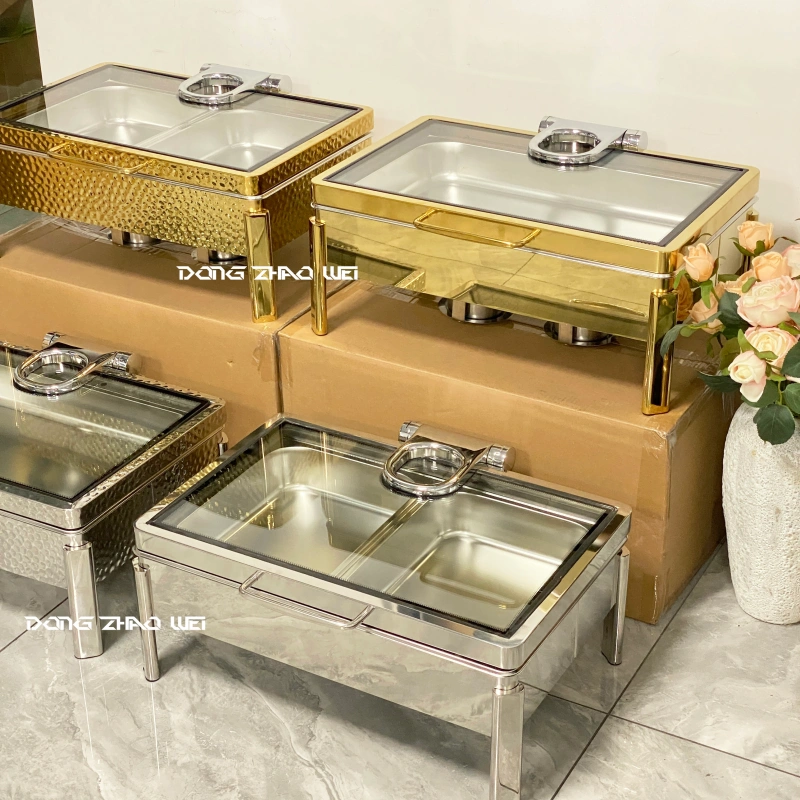
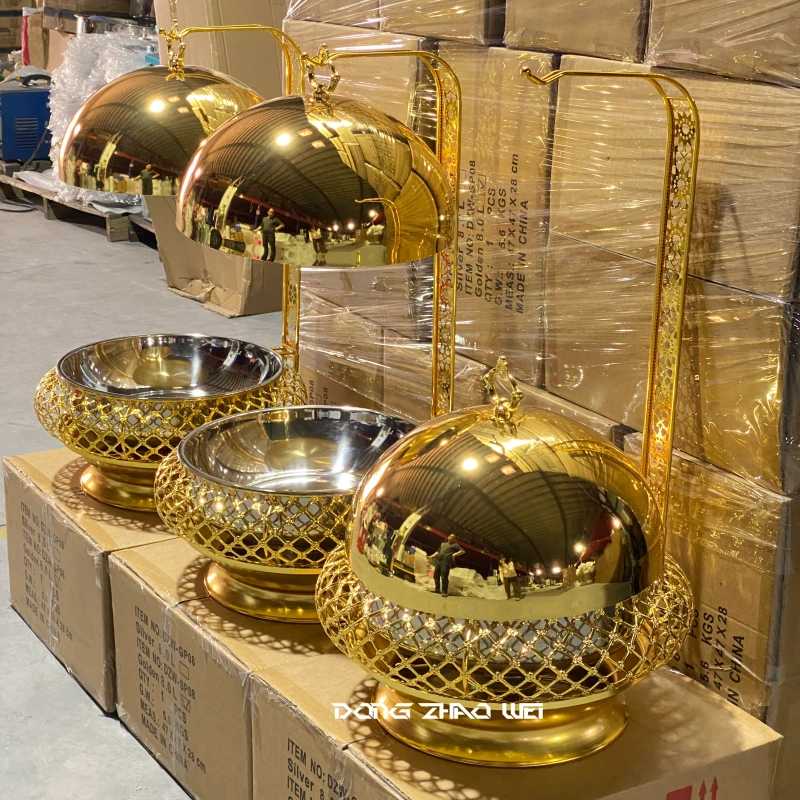
OEMプロジェクトにおけるチャフィングディッシュの最小発注数量(MOQ)は、どのような要因によって決まるのでしょうか?
チャフィングディッシュのプロジェクトにおいて、実際の最小発注数量(MOQ)には、生産面や商業面におけるいくつかの要因が影響します。その中でも最も重要なのは、カスタマイズの度合い、金型要件、生産効率、梱包、および注文に含まれるバリエーションの数です。.
既存の金型と新規金型の開発
金型は、最も重要な要素の一つです。.
メーカーがすでに適切な金型を保有している場合、生産工程は成形、組立、仕上げ、検査、梱包へとよりスムーズに進めることができます。したがって、発注者は工場に対し、まったく新しい設計の場合と同じような開発負担を負うよう求めているわけではないのです。.
ただし、新しいOEM製のチャフィングディッシュについては、以下の点が必要となる場合があります:
コンセプト → CAD設計 → 金型開発 → 試作 → 調整 → 量産
これは、買い手が蓋の構造、底部の形状、装飾模様、寸法、またはその他の物理的特性を変更したい場合に、特に当てはまります。.
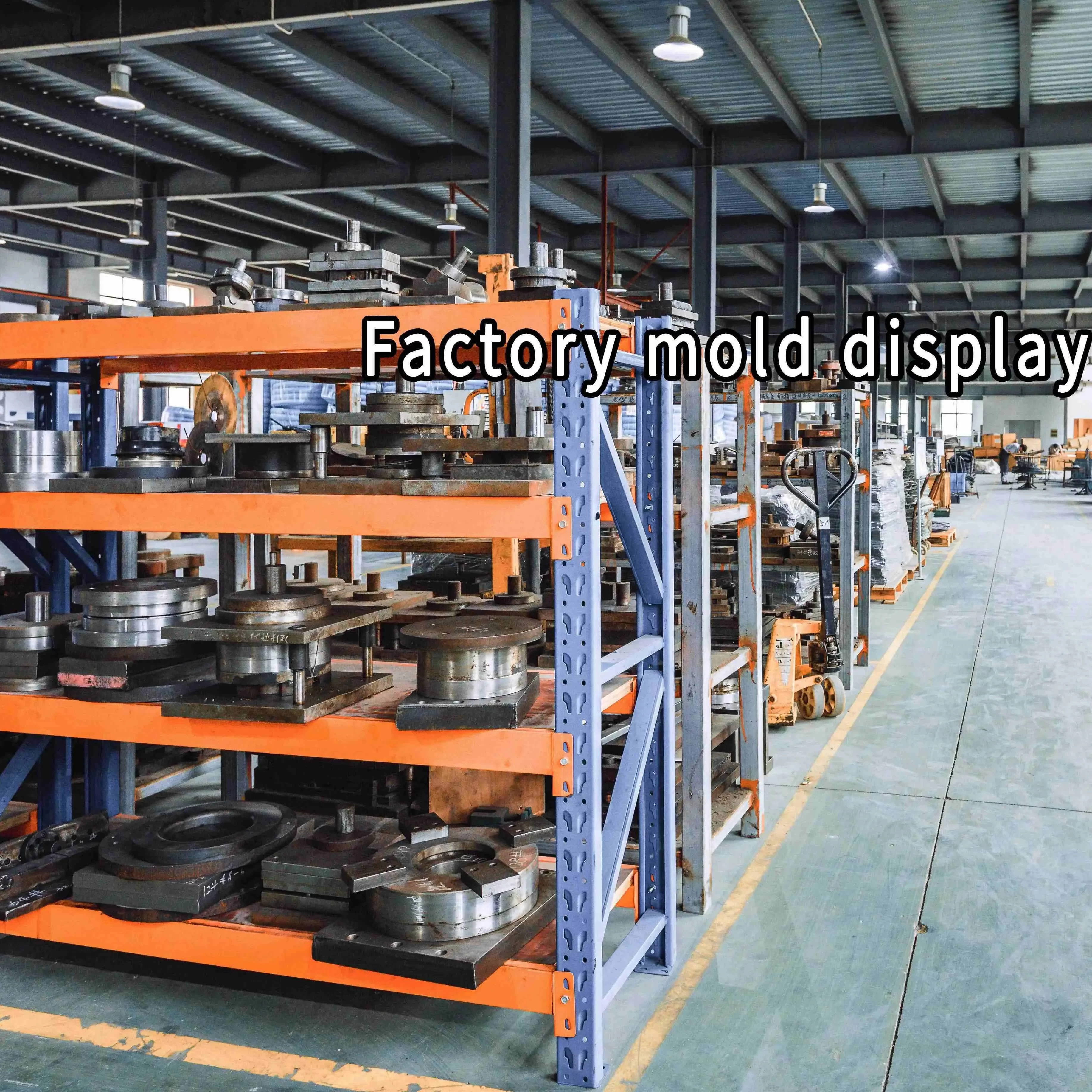
Dongzhaoweiは独自の金型製造能力を有し、200点以上の金型と設計・研究開発チームを擁しています。これにより、既存のカタログ製品に限定されることなく、お客様の要件に基づいてOEMプロジェクトを展開することが可能です。.
買い手にとって、そこから得られる実用的な教訓は単純明快です: MOQの見積もりを比較する前に、プロジェクトで既存の金型を使用するのか、それとも新しい金型が必要なのかを確認してください。.
製品のどの程度がカスタマイズされていますか?
すべてのOEMプロジェクトが、同じ程度のカスタマイズを必要とするわけではありません。.
ある買い手にとってはロゴと小売用パッケージだけで済む場合もあれば、別のプロジェクトでは製品構造そのものの変更が必要になる場合もあります。.
一般的なカスタマイズ要件には、次のようなものがあります:
- ロゴまたはブランドマーク
- 商品の色
- 表面仕上げ
- 製品の寸法
- 蓋のデザイン
- 構造の詳細
- パッケージング
Dongzhaoweiのカスタマイズサービス サイズ、ロゴ、色、パッケージなどのオプションを取り揃えており、製品ラインナップには、さまざまなチャフィングディッシュの構造、蓋の種類、加熱方式、構成が含まれています。.
OEMプロジェクトで導入される生産変数が多ければ多いほど、MOQについて話し合うことが重要になります SKU別およびカスタマイズレベル別, 、単一の一般的な最小注文数量(MOQ)を求めるのではなく、.
生産効率とロットサイズ
MOQには、生産面での論理もあります。.
チャフィングディッシュの製造には、金属成形、溶接または構造組立、研磨または表面処理、部品組立、検査、梱包など、複数の製造工程が含まれます。これらの工程全体にわたって、生産ロットを効率的に管理する必要があります。.
特注品の注文数が少なすぎる場合、製造元は、限られた数量の製品のために、生産準備、金型や工程の変更、材料の手配、梱包の手配などに、不釣り合いなほど多くの時間を費やす必要がある場合があります。.
そのため、サプライヤーは、高度にカスタマイズされた製品に比べ、標準製品についてはより柔軟な購入条件を提示する場合があるのです。.
しかし、, MOQが高いからといって、必ずしも製造能力が高いとは限らない. 買い手は、MOQの背景にある理由を理解し、それが実際の生産要件と関連しているかどうかを把握しておく必要があります。.
注文に含まれるSKUの数
SKUの複雑さも、バイヤーが見落としがちな要因の一つです。.
ある販売代理店が次のような要望を持っていると仮定します:
- 丸型チェーフィング・ディッシュ
- 角型チャフィングディッシュ
- 角型チェーフィング・ディッシュ
- ゴールド仕上げ
- シルバー仕上げ
- さまざまな蓋の構成
受注総数は膨大に見えるかもしれませんが、実際には生産は複数の組み合わせに分けて行われています。.
例えば、1つのSKUで1,000個を扱う場合と、高度にカスタマイズされた10種類のSKUに1,000個を分散して扱う場合とでは、状況が大きく異なります。.
したがって、市場テストを行うにあたっては、購入者は、発売当初に多くのバリエーションが本当に必要なのか、それともいくつかの標準構成で初期注文を賄うことができるのかを検討すべきである。.
不要なSKUの複雑さを軽減することで、製品ラインナップ全体を損なうことなく、OEMプロジェクトの管理を容易にできる場合が多い。.
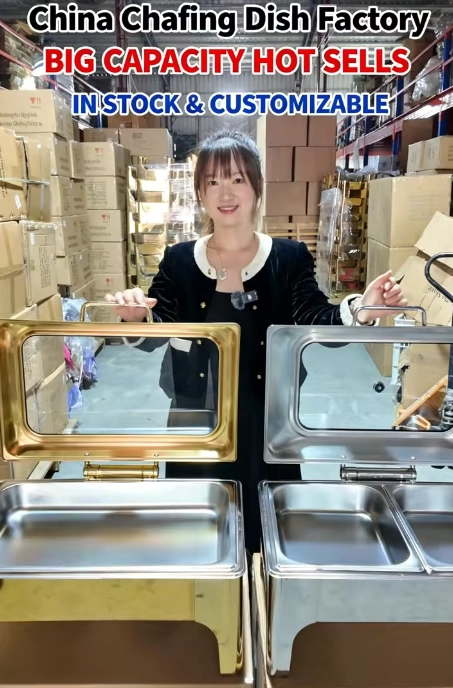

MOQが低いほど、必ずしも条件が良いと言えるのでしょうか?
必ずしもそうとは限りません。.
最低発注数量(MOQ)が低いことは、新規市場への参入を試みる販売代理店にとっては魅力的ですが、単価、カスタマイズ費用、梱包費用、金型費用は依然として評価する必要があります。.
正しい問いは次の通りです:
提示された最小発注数量(MOQ)の場合、総コストと在庫リスクはどの程度になりますか?
| オプション | よくあるケース | 主な考慮事項 |
|---|---|---|
| 標準製品、小ロット | 市場調査または新規販売代理店 | 在庫リスクの低減 |
| オーダーメイド製品、大ロット | 確立された製品ライン | 量産における均一性の向上 |
| 新しいOEMデザイン | ブランドの差別化 | 金型および開発への投資 |
| 複数のSKU | 幅広い製品ラインナップ | 在庫と生産の複雑さ |
購入者は、以下の点を比較すべきです。 着陸コストと予想販売数量, 、単に最低の最小注文数量(MOQ)を提示しているという理由だけでサプライヤーを選定するのではなく、.
購入者はどのように適切な最小注文数量(MOQ)を選べばよいのでしょうか?
すべてのB2Bバイヤーに通用する、画一的な最小注文数量(MOQ)というものはありません。現実的な数量としては、 チャフィングディッシュの卸売り 事業段階や製品戦略に基づいて決定すべきである。.
新たな市場テストに向けて
チャフィングディッシュを新しい市場に導入する場合、既存のデザインから始め、カスタマイズは限定的に行うのが賢明かもしれません。.
これにより、以下の点を評価することができます:
- お客様の反応
- 好ましいサイズと形状
- 色や仕上げの好み
- 販売速度
- 再注文頻度
需要の動向が明確になれば、OEM向けのより高度なカスタマイズに投資することができます。.
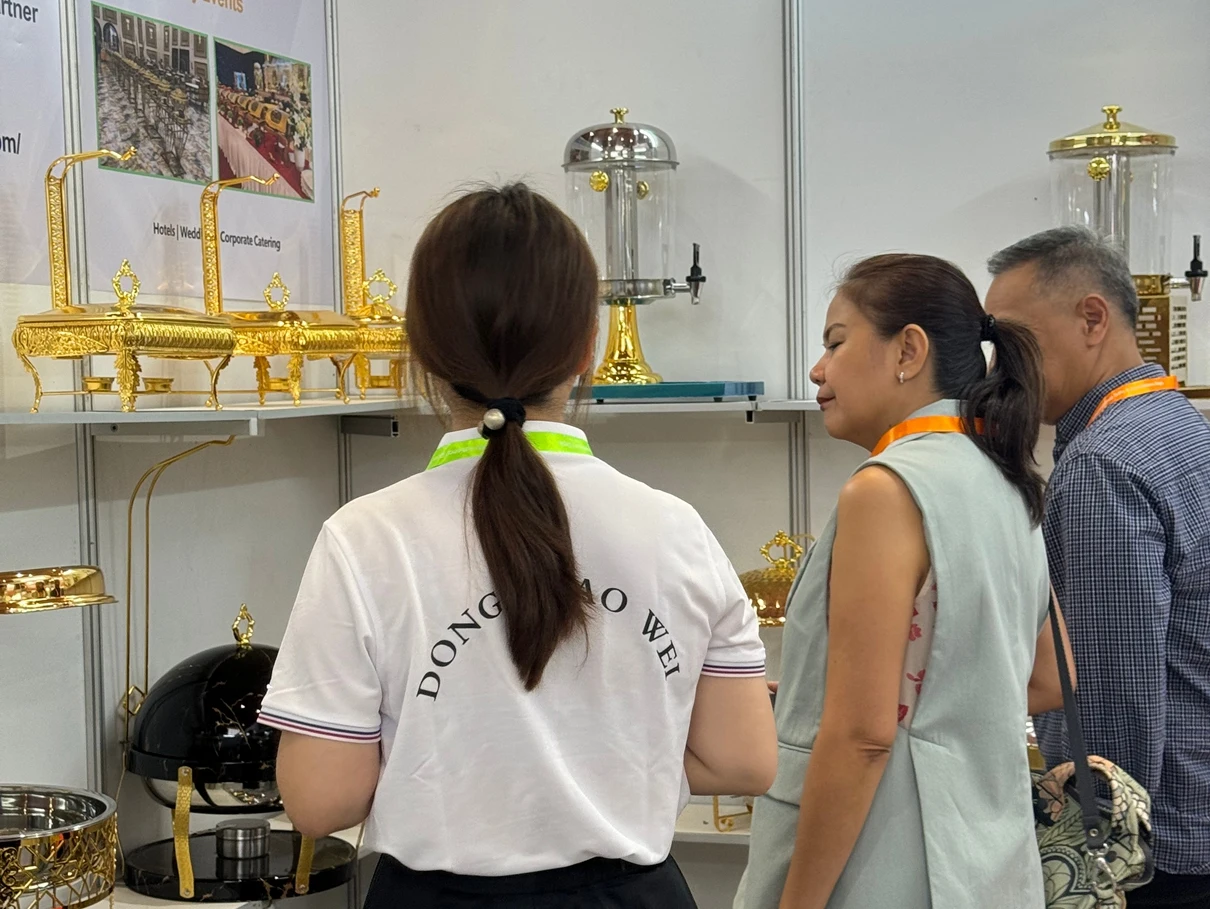
Dongzhaowei社は、固定の最小発注数量(MOQ)を設けておらず、初期の市場調査の際には1回の出荷で複数の商品を組み合わせた注文も受け付けると述べています。このような柔軟性は、販売代理店が大規模な製品プログラムへの参入を決定する前に、複数の製品をテストする必要がある場合に役立ちます。.
確立された流通事業において
すでに安定した販売データがある場合は、判断が変わってきます。.
「第一順序を何としても最小限に抑える」のではなく、以下の点を考慮すべきです:
需要予測 + 再発注サイクル + SKU構成 + 生産リードタイム + 保管容量
特定のチャフィングディッシュのモデルについて、すでに需要が見込める場合は、生産ロットを大きくするほうが合理的かもしれません。.
プライベートブランドまたはOEMブランド向け
ブランド製品の場合、最小発注数量(MOQ)については、カスタマイズ範囲と併せて協議する必要があります。.
製品に以下の要件がある場合:
- 特注金型
- カスタムカラー
- カスタムロゴ
- カスタムパッケージング
- 構造的な変化
サプライヤーは、このプロジェクトを包括的な開発プログラムとして評価すべきである。.
これにより、カスタマイズ内容を確認する前に目標MOQについて合意してしまうという、よくある調達上のミスを回避できます。.
最小発注数量(MOQ)を確定する前に、チャフィングディッシュのメーカーに何を尋ねるべきでしょうか?
単に尋ねるのではなく、 “「チャフィングディッシュの最小注文数量(MOQ)はどれくらいですか?」”, 、B2Bのバイヤーは、メーカーがプロジェクトを正確に評価できるよう、十分な情報を提供すべきです。.
有用な見積依頼書(RFQ)には、以下の事項を明記する必要があります:
- 製品の種類と希望するデザイン
- 予想注文数量
- SKU数
- 材料要件
- サイズまたは容量
- 蓋の構成
- 加熱方法
- 表面仕上げまたは色
- ロゴの要件
- 包装に関する要件
- 既存の設計か、それとも新しいOEM設計が必要か
- ターゲット市場と予想されるリピート注文量
これにより、メーカーは、そのプロジェクトが既存の製品、セミカスタムソリューション、あるいは完全なOEM開発のいずれに適しているかを判断することができます。.
このアプローチは、製品を具体的に指定せずにサプライヤーに一般的な最小発注数量(MOQ)を問い合わせるよりも、通常、より有益な見積もりを得られる。.
標準製品、セミカスタム、それともフルOEM:どれがより実用的か?
多くのB2Bの購買担当者にとって、最も効率的な戦略は、「標準仕様」と「完全カスタマイズ」のどちらかをすぐに選ぶことではありません。その中間の選択肢があるのです。.
標準チャフィングディッシュ
次のようなご希望をお持ちの購入者に最適です:
- 市場の反応を確かめる
- 製品開発を最小限に抑える
- 素早く起動する
- SKUの複雑さを適切に管理する
また、メーカーの対応状況に応じて、ロゴ、色、パッケージなど、特定の項目について既存製品をカスタマイズすることも可能です。.
セミカスタム・チャフィングディッシュ
このアプローチは、買い手がまったく新しい構造を開発することなく、認知度の高い製品アイデンティティを求めている場合に有用です。.
例えば、基本的な製品プラットフォームは変更されないまま、購入者が仕上げ、ロゴ、パッケージ、あるいは特定のデザイン要素をカスタマイズする場合があります。.
これにより、製品の差別化と開発の複雑さとのバランスを図ることができます。.
フルOEM/ODM対応のチャフィングディッシュ
製品そのものがブランドの競争上のポジショニングの一環となる場合、フルOEM/ODMの重要性はさらに高まります。.
このプロジェクトでは、以下の内容が含まれる可能性があります:
設計 → CAD → 金型製作 → 試作 → 量産 → 品質管理 → 梱包
DongzhaoweiのOEM/ODMプロセスには、CAD設計、金型開発、製造、品質管理、組み立てが含まれており、バイヤーは初期のコンセプト段階から新製品の開発を進めることができます。.
長期的な製品プログラムにおいては、このアプローチにより、単に既存のモデルにロゴを追加するだけの場合よりも、より特徴的な製品を生み出すことができます。.

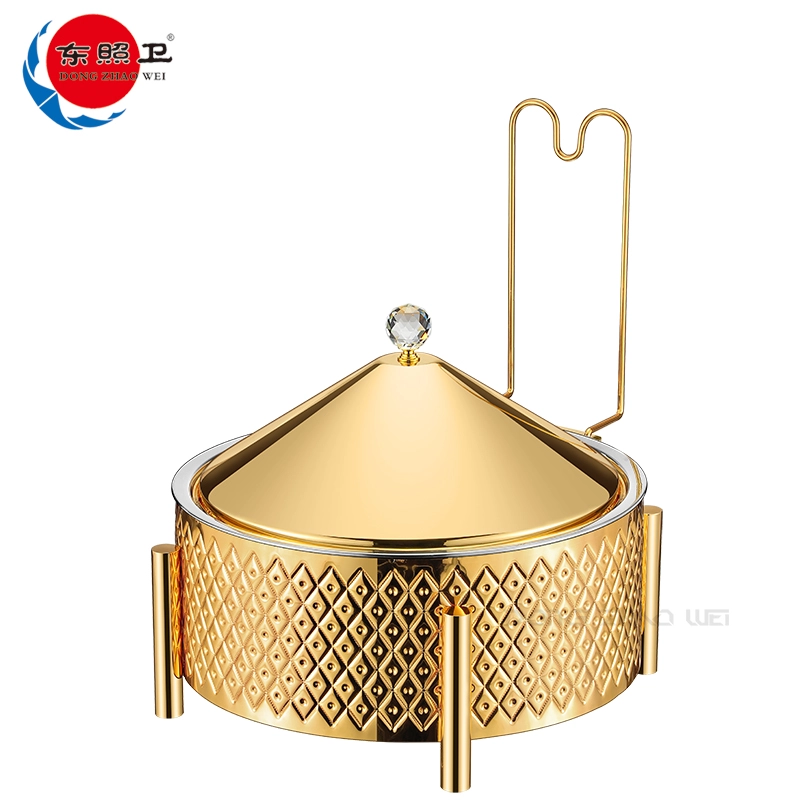
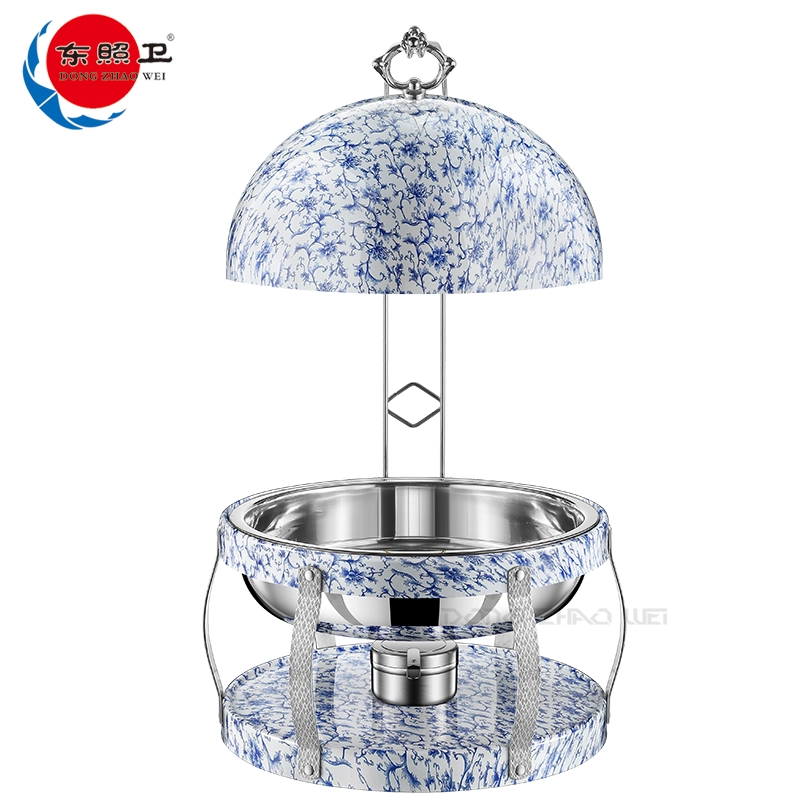
Dongzhaoweiが、さまざまなチャフィングディッシュの最小注文数量(MOQ)戦略をどのようにサポートできるか
適切な製造パートナーとは、すべてのプロジェクトを同じ最低発注数量(MOQ)モデルに当てはめるのではなく、買い手の状況に合わせて生産アプローチを柔軟に調整できるパートナーであるべきです。.
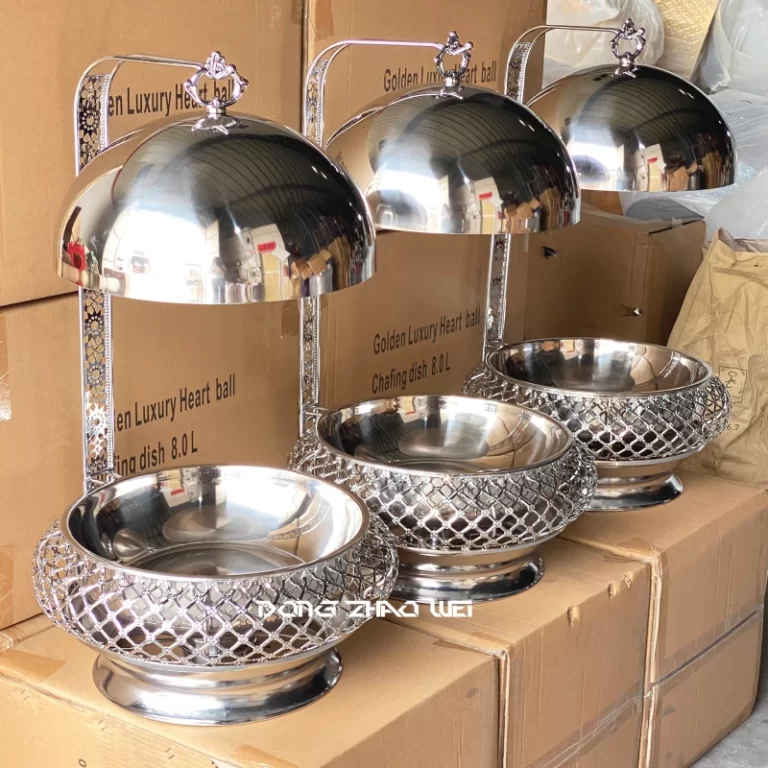
東招牌 ステンレス製のチャフィングディッシュをはじめ、幅広い品揃えの ビュッフェ設備, ドリンクディスペンサー、デザートスタンド、アイスバケット、ビュッフェ用プレートやボウル、カトラリーセットやトングなどが含まれます。同社の製品ラインナップは、卸売りでの購入だけでなく、OEM/ODMによるカスタマイズにも対応しています。.
OEMプロジェクトにおいて、同社は自社の設計・研究開発能力と、社内の金型製作・製造設備を組み合わせています。公表されている設備には、200基以上の金型と20台以上の大型油圧プレス機が含まれています。これにより、最小発注数量(MOQ)を生産とは切り離された固定値として扱うのではなく、実際のプロジェクト要件と併せて検討することが可能になります。.
新製品ラインの開発に取り組むバイヤーにとって、Dongzhaoweiは、既存のチャフィングディッシュのデザイン、セミカスタムソリューション、あるいは新たなOEM/ODMプロジェクトのどれが、より適切な出発点となるかを評価することができます。.
ドンジャオウェイの業務用チャフィングディッシュをご覧ください
ドンジャオウェイのオーダーメイドビュッフェ用設備ソリューションについて
結論:最小発注数量(MOQ)はプロジェクトに合わせて設定すべきであり、その逆であってはならない
右 チャフィングディッシュの最小発注数量(MOQ) 生産数量だけではありません。金型、カスタマイズレベル、SKUの複雑さ、生産効率、梱包、そして買い手の予想販売数量など、あらゆる要素が、最も現実的な発注戦略に影響を与えます。.
新規市場においては、既存のデザインを基にしたり、カスタマイズを限定的な範囲に留めたりすることで、在庫リスクを低減することができます。一方、確立されたブランドの場合、特定の市場でのポジションを念頭に置いて製品が設計されるため、OEM/ODMによるより本格的な開発を行うことで、大規模な生産体制の構築が正当化される可能性があります。.
最も効果的な方法は、話し合うことです。 最小発注数量(MOQ)、カスタマイズ、金型費用、SKUの組み合わせ、および予想再発注数量を総合的に考慮して. これにより、購入者と製造業者の双方が、生産要件やプロジェクト総費用を算出するためのより明確な基準を得ることができます。.
もし、新しいチャフィングディッシュの製品ラインを計画されているのであれば、, 連絡先 対象製品、見込み数量、カスタマイズ要件、および市場戦略をご提示ください。当チームが最適な生産ルートを評価し、既存のデザイン、セミカスタム製品、あるいはOEM/ODMソリューションのいずれがお客様のプロジェクトに適しているかについてご提案いたします。.