English
  French
  German
  Spanish
  Portuguese
  Arabic
  Japanese
In hotels, catering services, and commercial buffet operations, chafing dishes are designed for long-term heating, often operating continuously for several hours every day. However, many B2B buyers discover that after months of use, some chafing dishes deform, warp, or lose structural stability, while others remain stable and reliable. Long-term deformation is typically the result of material selection, structural design, and production processes, rather than short-term usage. As a professional stainless steel chafing dish manufacturer, Dongzhaowei explains the real reasons behind this problem and how it can be avoided at the sourcing stage.
Common Deformation Issues in Long-Term Heated Chafing Dishes
In commercial environments, deformation usually develops gradually. Common problems include:
Bottom Warping or Bulging
Continuous heat exposure can cause stress concentration at the base, leading to uneven surfaces that impact heating efficiency.
Poor Lid Fit
Even slight deformation can prevent the lid from sealing properly, leading to heat loss and reduced buffet presentation quality.
Unstable Frames or Stands
Structural distortion may cause the chafing dish to wobble on buffet counters, creating safety and usability concerns.
Fatigue at Welded Joints
Welded areas are especially sensitive to thermal stress and may develop micro-cracks after repeated heating cycles.

Root Cause 1: Incorrect Stainless Steel Material Selection
Material choice is one of the most critical factors in commercial chafing dish performance.
201 vs 304 Stainless Steel Chafing Dishes
201 Stainless Steel
- Lower nickel content
- Reduced thermal stability
- Higher risk of deformation during prolonged heating
304 Stainless Steel
- Higher nickel content and stronger crystal structure
- Better resistance to thermal stress
- Preferred material for hotel and commercial buffet equipment applications
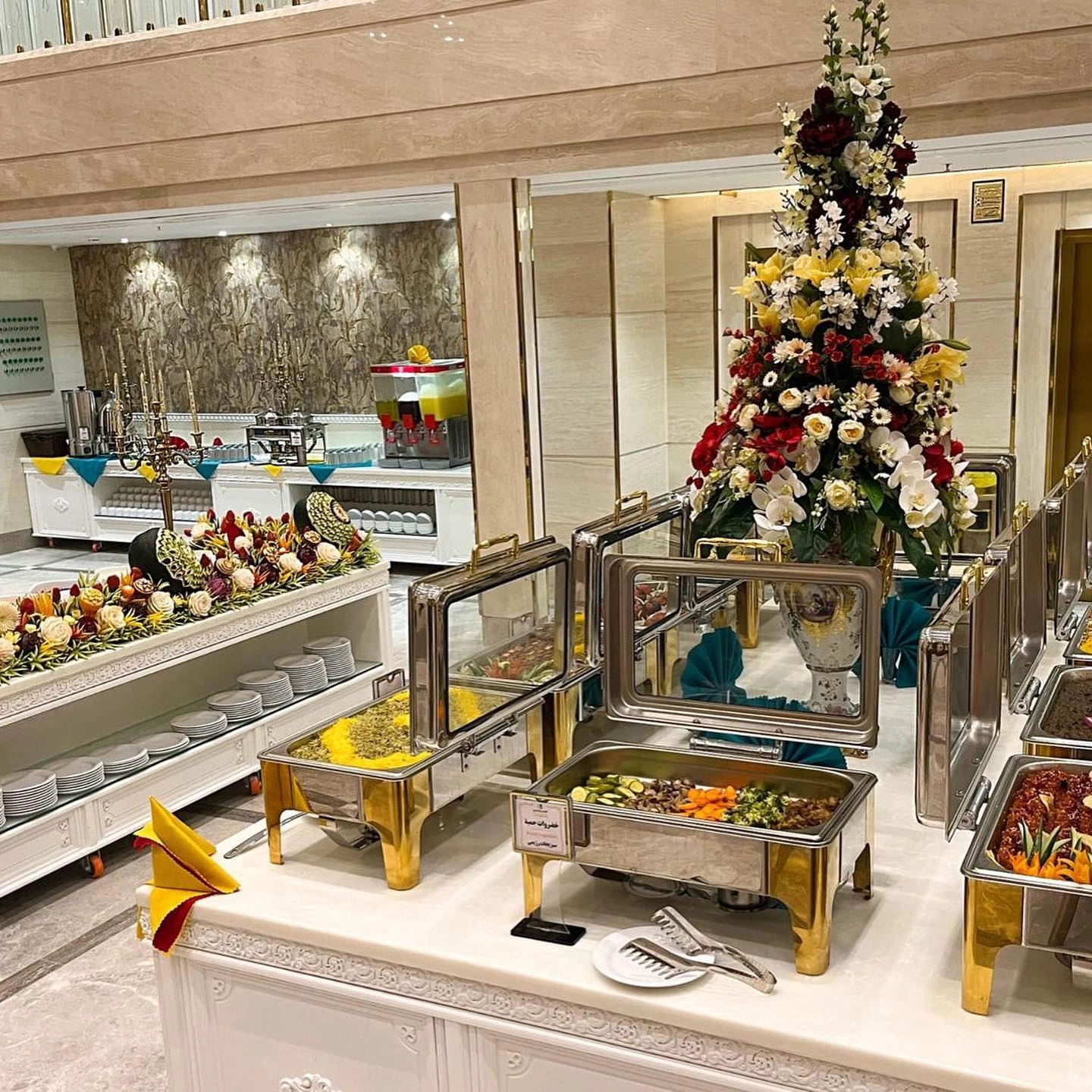
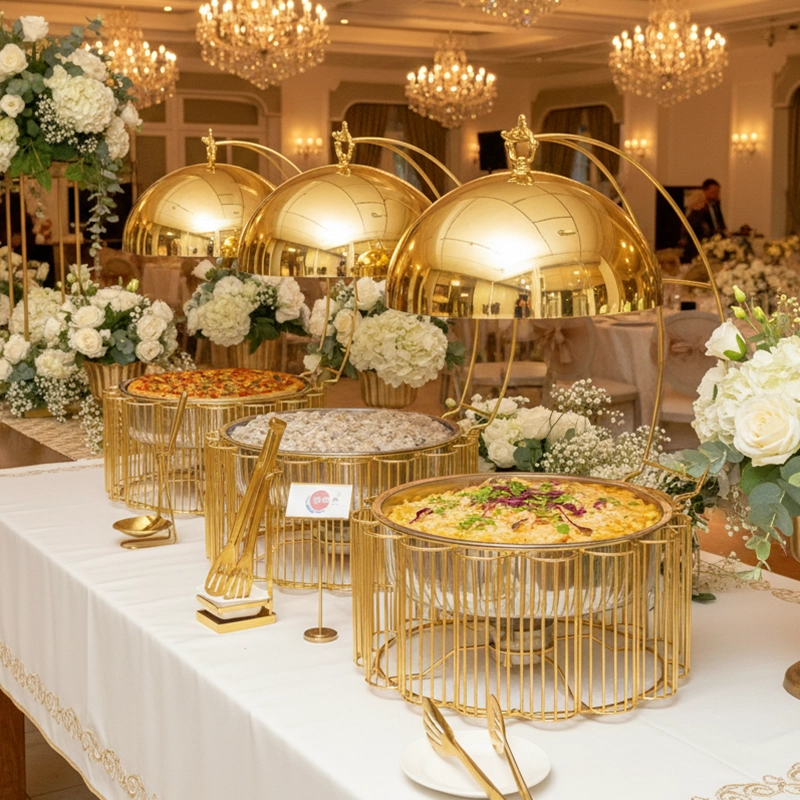
For buyers seeking long-term reliability, 304 stainless steel chafing dishes offer significantly better performance.
Root Cause 2: Insufficient Thickness and Structural Design
Even with the same stainless steel grade, thickness and internal structure, they directly affect heat resistance.
Thin Stainless Steel Panels
- Lower resistance to thermal expansion
- Higher risk of sagging or distortion
- Reduced service life in high-frequency commercial use
Lack of Reinforced Bottom Structure
- Reinforcement ribs and structural supports help distribute heat stress evenly
- Without reinforcement, deformation becomes more likely over time
These design differences are often invisible at first glance but are critical for commercial buffet equipment durability.
Root Cause 3: Welding and Forming Process Deficiencies
Many deformation issues originate during manufacturing.
Uneven Welding Heat Zones
Welding introduces localized high temperatures. Poor control can leave residual internal stress that slowly releases during repeated heating cycles.
Improper Stamping and Forming Parameters
Inconsistent forming processes create uneven stress distribution within the metal, which eventually leads to deformation under prolonged heat exposure.
Root Cause 4: Underestimating Real Commercial Usage Conditions
Some chafing dishes are only tested under short-term laboratory conditions, which do not reflect real-world use.
Commercial usage typically involves:
- Continuous heating for 3–5 hours
- Daily high-frequency operation
- Repeated heating and cooling cycles
Different heating methods also affect performance:
- Fuel chafing dishes create localized high temperatures
- Electric chafing dishes apply sustained, consistent heat
Designs that fail to account for these factors are more prone to long-term deformation.
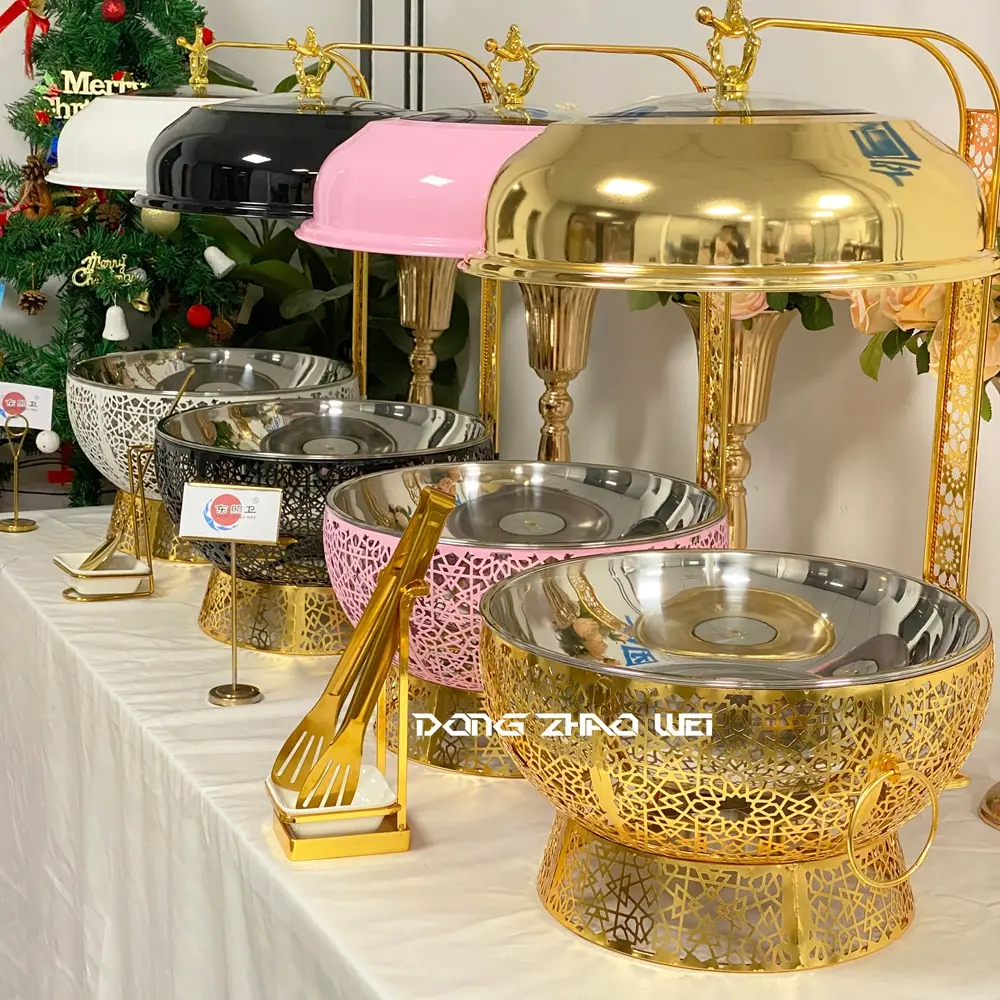

How does Dongzhaowei Prevent Deformation in Commercial Chafing Dishes?
As an experienced stainless steel buffet equipment manufacturer, Dongzhaowei addresses deformation risks at the production stage:
Strict Material Standards
- Commercial-grade 304 stainless steel options
- Material selection tailored to usage intensity and project requirements
Heat-Resistant Structural Design
- Reinforced bottoms and frames
- Stress distribution optimized for long-term heating
Controlled Welding and Forming Processes
- Standardized welding procedures
- Consistent forming parameters across production batches
Simulated Commercial Heating Tests
- Extended heating trials
- Multi-cycle usage testing to ensure long-term stability
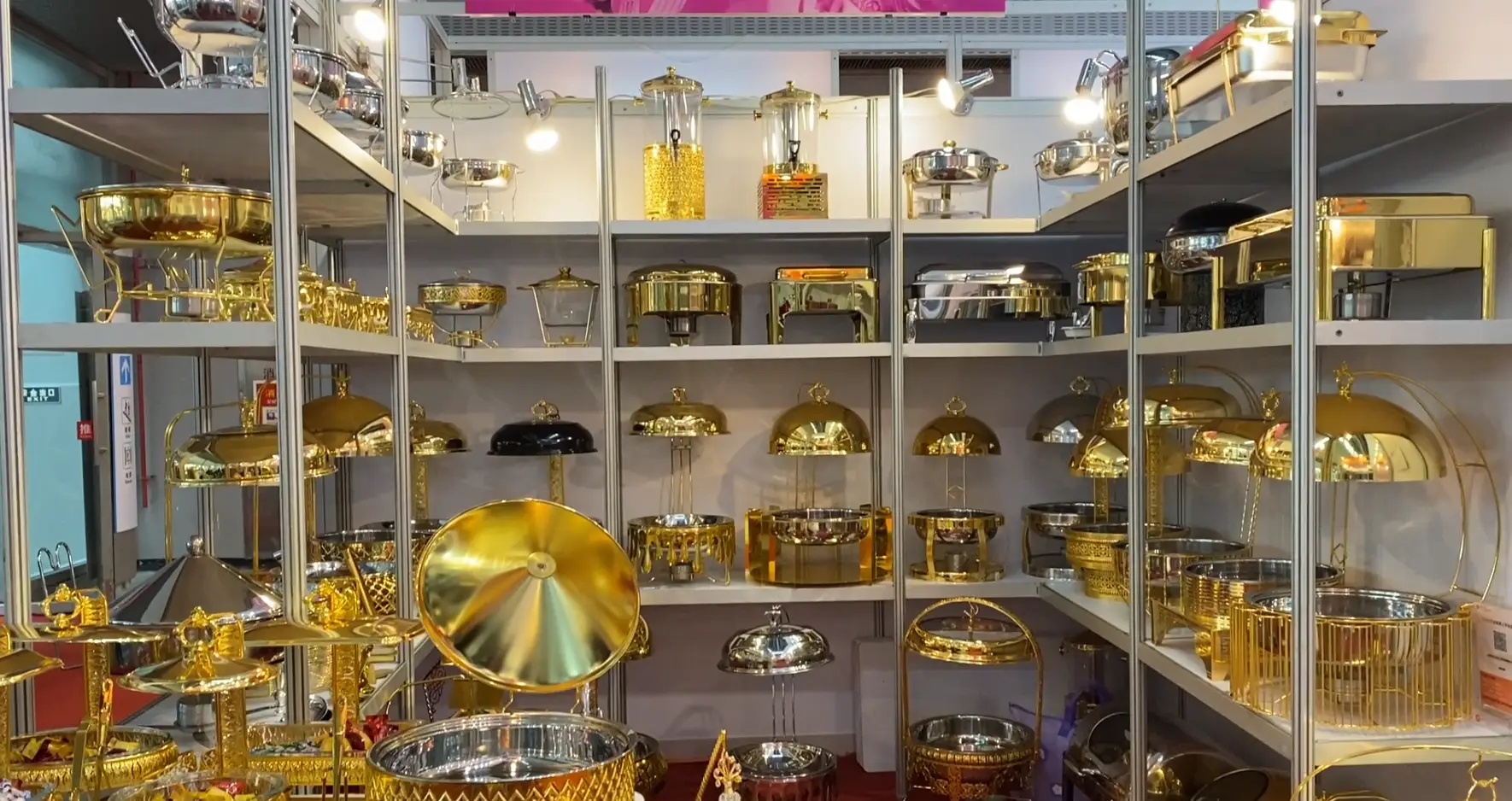
Purchaser’s Guide: How to Avoid Deformation When Sourcing Chafing Dishes?
When selecting a chafing dish supplier, it’s better to evaluate:
- Stainless steel grade (201 vs 304)
- Thickness of key structural components
- Bottom and frame reinforcement design
- Long-term heating test procedures
- Whether the supplier is a true manufacturer or a trading company
Conclusion
Chafing dish quality cannot be judged by short-term use alone. Only products engineered for continuous heating and high-frequency commercial operation can deliver reliable performance in commercial buffet environments.
If you are sourcing commercial chafing dishes for hotels, catering services, or large-scale buffet projects, Dongzhaowei provides professional manufacturing expertise, OEM chafing dish customization, and bulk supply solutions. Contact us to discuss your project requirements or request a customized chafing dish solution.