English
  French
  German
  Spanish
  Portuguese
  Arabic
  Japanese
If you’ve sourced chafing dishes before, you’ve likely noticed a confusing reality: products that look almost identical can vary in price by 2–3 times. For hotel buyers, catering companies, and wholesale distributors, this raises critical questions:
- Why do chafing dish prices vary so much?
- Is the cheaper option good enough?
- What actually determines the real cost?
The truth is, price differences are not random. They reflect variations in materials, manufacturing processes, quality standards, and supply chain capabilities.
In this guide, we break down the true cost structure of chafing dishes from a supplier’s perspective, helping B2B buyers make smarter, lower-risk purchasing decisions.
What Makes Up the Cost of a Chafing Dish?
Before comparing prices, it’s essential to understand what you are actually paying for. A typical chafing dish cost includes:
- Raw materials (stainless steel)
- Manufacturing and labor
- Production technology and automation
- Surface finishing and polishing
- Quality control and inspection
- Packaging and logistics
- Supplier service and support
Even small differences in each of these components can significantly impact the final price.

7 Key Factors That Drive Chafing Dish Price Differences
Stainless Steel Material (201 vs 304)
Material is the largest cost driver.
| Material | Cost | Corrosion Resistance | Typical Use |
|---|---|---|---|
| 201 Stainless Steel | Lower | Moderate | Budget products |
| 304 Stainless Steel | Higher | Excellent | Commercial and high-end |
304 stainless steel is more durable, rust-resistant, and food-safe, while 201 stainless steel reduces cost but may compromise lifespan.
Buyer tip: Always confirm the material grade. This alone can explain major price gaps.
Material Thickness
Thickness directly affects durability and cost.
- Thin material leads to a lower price but a higher risk of deformation
- Thicker material increases cost but improves stability and longevity
Low-cost products often reduce thickness to stay competitive.
Manufacturing Process and Automation
Production methods vary significantly between suppliers.
- Manual production may lead to inconsistent quality
- Automated production ensures stable quality and higher efficiency
Precision welding, smooth polishing, and consistent shaping are key indicators of manufacturing quality.
Suppliers with advanced automation can deliver better consistency and scalable production, which is critical for bulk orders.

Design Complexity and Structure
More complex designs increase cost.
- Hydraulic lids or roll-top covers
- Reinforced frames
- Multi-component structures
Simple designs are cheaper but may lack durability or user convenience.
Quality Control Standards
Not all suppliers follow the same quality control process.
Higher-quality buffet equipment manufacturers invest in:
- Heat resistance testing
- Structural stability checks
- Surface finishing inspection
Better quality control increases cost but significantly reduces risk for buyers.
Order Quantity and MOQ Impact
Pricing is highly dependent on volume.
- Small orders have a higher unit cost
- Bulk orders benefit from optimized production and lower pricing
For B2B buyers, negotiating MOQ is key to cost efficiency.
Packaging, Logistics and Export Standards
Export-ready products often include reinforced packaging and compliance with international standards.
Shipping method also affects total cost:
- Sea freight is cost-effective
- Air freight is faster but more expensive

Low Price vs Reasonable Price: What’s the Real Difference?
| Factor | Low-Cost Product | High-Quality Product |
|---|---|---|
| Material | 201 stainless steel | 304 stainless steel |
| Thickness | Thin | Reinforced |
| Craftsmanship | Basic | Refined |
| Durability | Short lifespan | Long-term use |
| Risk | High | Controlled |
For B2B buyers, the lowest price often leads to higher long-term costs, including replacements, complaints, and brand damage.
How to Evaluate If a Price Is Reasonable?
Before accepting any quotation, use this checklist:
- Is the material clearly specified (201 or 304)?
- Is thickness information provided?
- Are all components included in the price?
- Is there a defined quality control process?
- Does the quote include packaging details?
- Are delivery time and terms clearly stated?
Transparent pricing usually indicates a reliable supplier.
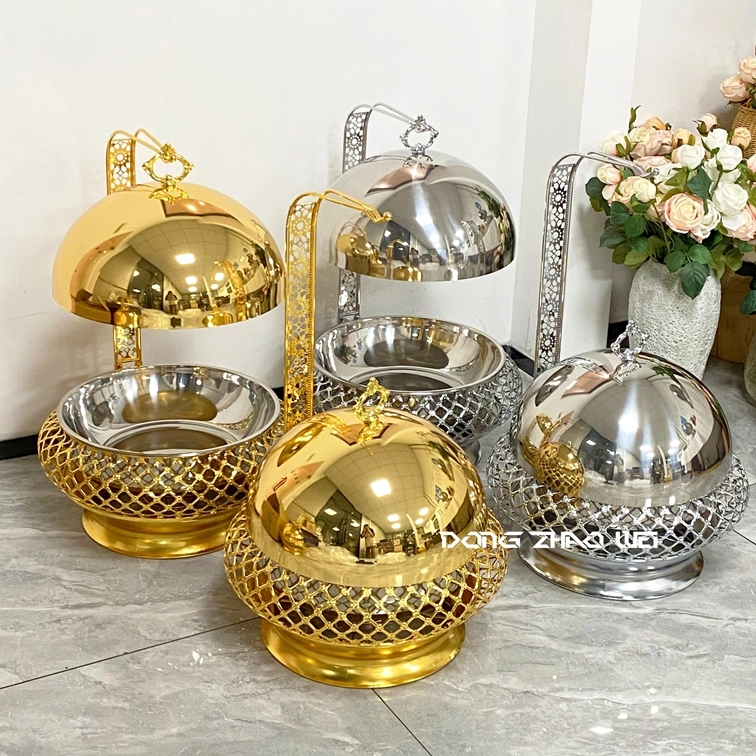

From a Supplier’s Perspective: What Is a Good Price?
A professional chafing dish manufacturer does not simply offer the lowest price. Instead, they balance material quality, manufacturing efficiency, product consistency, and long-term reliability. Experienced suppliers optimize costs through automated production systems, stable raw material sourcing, and scalable manufacturing processes. This ensures competitive wholesale pricing without sacrificing quality.
Common Mistakes B2B Buyers Make
Choosing Based Only on Price
Ignoring quality often leads to hidden costs later.
Relying Only on Product Images
Appearance does not reflect material or durability.
Skipping Sample Testing
Bulk orders without validation increase risk significantly.
Get Professional Pricing and Product Solutions from Dongzhaowei
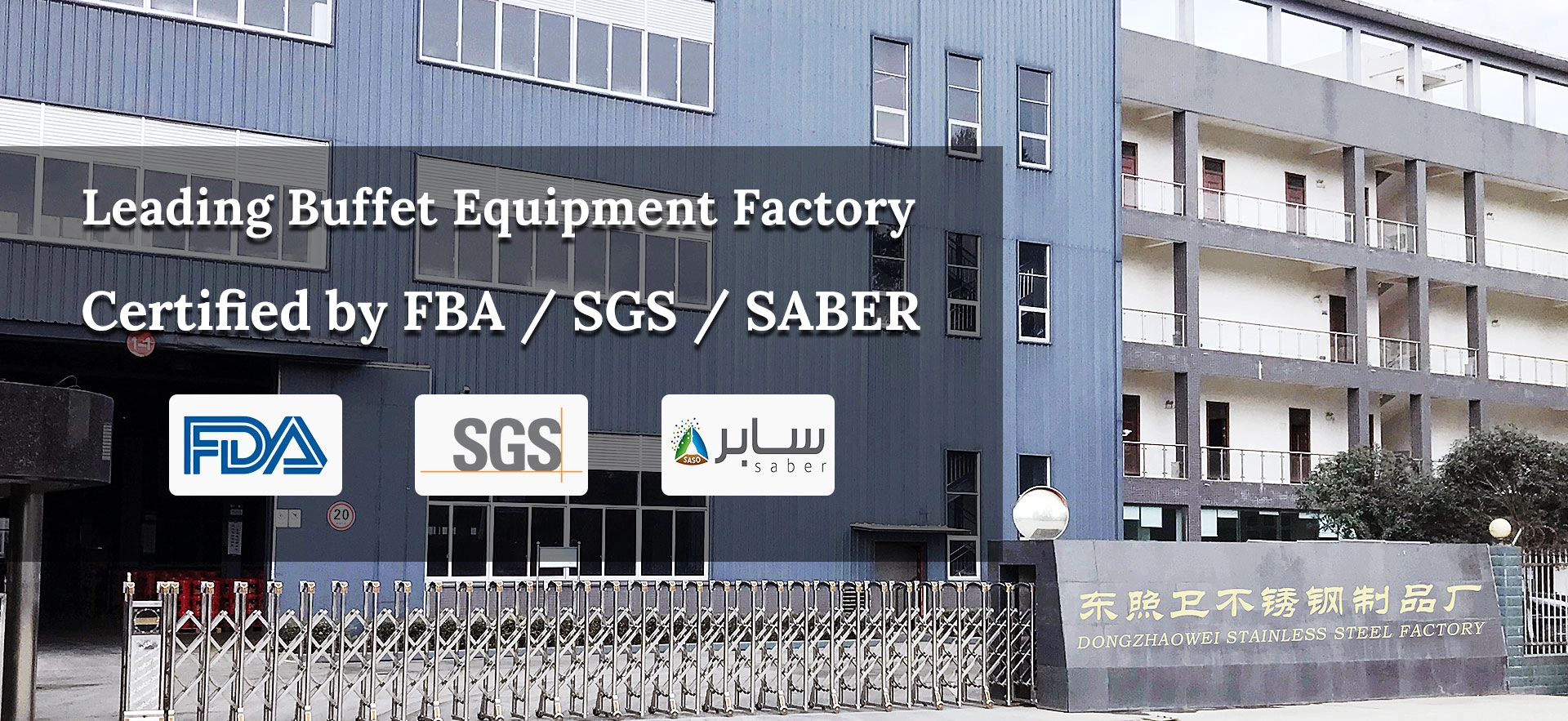
If you are sourcing chafing dishes for wholesale, catering projects, or distribution, choosing the right supplier is critical. Dongzhaowei, a leading buffet equipment manufacturer in China, offers the chafing dish service below:
- Competitive wholesale pricing with a clear cost structure
- Multiple material and configuration options
- OEM and ODM customization support
- Sample evaluation and factory verification support
Contact us today to get your product catalog and quotation.